
Understand the problem
Talk to the people doing the work, understand what is getting in the way and agree what a meaningful improvement would look like.
 AIpportunity
03 / DIGITAL TRANSFORMATION
Digital transformation doesn’t have to mean a giant programme or a stack of reports. It can start with one part of the day that should work better. We help teams understand the opportunity, choose a manageable first step and turn it into practical change—then learn and improve as they go.
Tell us what could be betterSTART WITH WHAT’S NOT WORKING TODAY
We help you make sense of the challenge, bring the right people into the conversation and turn a good idea into something your team can actually use. We focus on the outcome, test assumptions early and keep the work grounded in day-to-day reality—no change for change’s sake. That can mean improving one service, rethinking a workflow or introducing technology where it genuinely helps.
Talk to the people doing the work, understand what is getting in the way and agree what a meaningful improvement would look like.
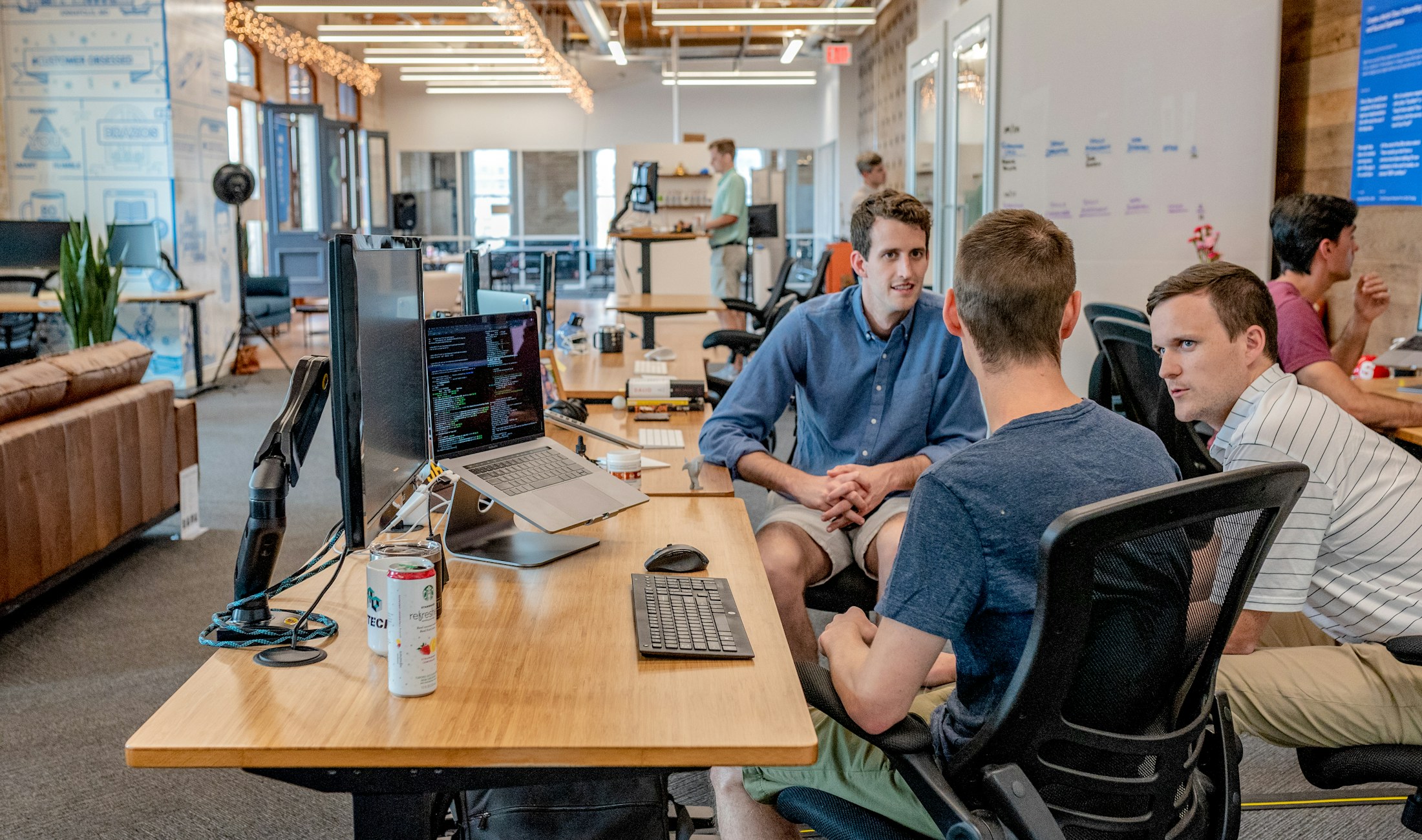
Test an idea on a manageable scale, listen to feedback and use what you learn to decide what is worth doing next.

Shape the solution around the people who’ll use it, with practical support that helps new ways of working take hold.
CHANGE THAT STARTS WITH THE EVERYDAY
We help you get clear on what needs to change, find a sensible first step and make it real. Your team stays involved from the start. We check how the change works in practice, make adjustments where needed and build on what people find useful—because change only helps when it works for the people doing the work. We keep the goals visible, share what we learn and help your organisation decide what is ready to scale and what needs another round of improvement.
Look beyond the symptoms and understand which steps, systems or handovers make a process harder than it needs to be.
Agree on a clear next step with the people who’ll make it work, including what to test and how to tell whether it helps.
Try it in practice, listen to feedback and improve what needs attention before deciding together what comes next.
CHANGE THAT FITS YOUR ORGANISATION
Change works better when people understand why it is happening and can see whether it helps. We make the work transparent, keep the first steps realistic and use evidence from day-to-day experience to guide what comes next.
We bring the right people together to understand the challenge, the outcomes that matter and the practical constraints. This helps keep the effort focused on a shared purpose.
We test a manageable change in the real working environment, listen to staff and customer feedback and identify what supports adoption as well as what needs adjusting.
We review what changed against the outcomes you agreed, share what we have learned and decide whether to refine, extend or leave the improvement where it is.
A FEW THINGS PEOPLE ASK
No. It’s fine to start with one challenge. We can help you understand the wider picture as we go, then shape a sensible plan based on what you learn rather than assumptions made up front.
We involve the people doing the work early, listen to what they need and use their feedback as we shape the solution. That gives people a real say in the change and helps uncover practical issues before they become bigger problems.
We look at what changed, what people learned and whether another step would be useful. You decide what makes sense, whether that means refining the first solution, extending it to another team or stopping because the goal has been met.